


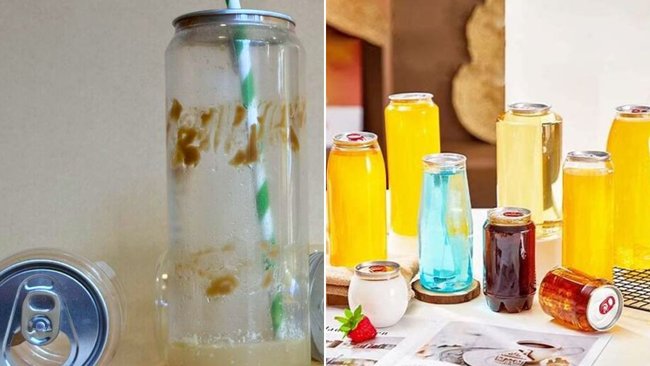
A trendy new takeaway coffee container slammed as “greenwash cosplay”, plastic-netted avocados and individually wrapped Mentos have been named among the country’s worst packaging offenders.
The inaugural Unpackit Awards recognise the best and worst examples of packaging, calling out excessive single-use plastic while spotlighting businesses embracing reusable alternatives.
Run by the Australian Marine Conservation Society, Plastic Free Foundation and WWF-Australia, the awards were judged by a panel of packaging, recycling and pollution experts following hundreds of nominations from everyday Australians.
Know the news with the 7NEWS app: Download today
The awards organisers say packaging now accounts for about 60 per cent of litter collected across the country and are calling for stronger national laws to curb unnecessary plastic.
They arguing reusable systems could cut packaging-related emissions by up to 90 per cent.
Worst packaging awards
The unwanted title for Australia’s Worst Packaging went to plastic takeaway drink cans sealed with aluminium lids, designed to resemble soft drink cans and increasingly used by cafes for coffee and other beverages.
Campaigners dubbed the container a “franken-can” because it combines plastic and aluminium in a single-use format difficult to recycle, with judges saying it embodied “everything that’s problematic with packaging in Australia”.

One nominator said a cafe refused to serve coffee in a reusable cup for dine-in customers, instead handing drinks out in sealed plastic cans.
They described the containers as “unnecessary, hard to recycle, and seemingly trying to make single-use cool”.
Expert panellist Murray Richards said the cans combined “the worst parts of single-use plastic and performative branding”.
“In 2026, packaging should solve problems, not indulge in ‘greenwash cosplay’ while sending more disposable plastic into the world,” he said.
Australian Council of Recycling chief executive Suzanne Toumbourou warned mixed-material packaging was contaminating recycling systems.
“Mixed-material packaging contaminates every stream it touches in our yellow bins and ends up as waste anyway,” she said.
“Western Australia has already banned fill-on-site plastic cans and others may follow,” the initiative said.
“But state-by-state bans will always be one step behind the next trend, playing endless whack-a-mole against a rising tide of plastic overproduction.”
Supermarket offenders called out
Supermarket giants ALDI, Coles and Woolworths were singled out for selling avocados packaged in plastic netting blamed for shedding microplastics.
One shopper admitted they hated buying produce packaged in net bags but often felt they had “no choice”.
A packaging expert involved in the awards took aim at the supermarkets for continuing to wrap avocados despite the fruit already having “a highly effective and free natural protective layer: its own skin”.

The criticism of net-wrapped avocados comes amid growing scrutiny of how packaging influences consumer behaviour, with a recent analysis finding coloured fruit netting can make produce appear fresher and more appealing than it really is.
Kmart was also called out over an Anko dumbbell set packaged inside multiple layers of hidden plastic wrapping.
The product comes inside a hard carry case, but each individual weight plate is also wrapped in its own plastic bag.
“Why do weights, of all things, need to be protected in plastic bags?” one nominator asked.
Mentos and manufacturer Perfetti Van Melle were also criticised for individually wrapped mints, with organisers saying the small wrappers had become a common source of litter on beaches, roadsides and in waterways.
Expert panellist Belinda Chellingworth said she had “lost count” of how many of the wrappers she had collected from parks and roadsides.


Best packaging
Tasmanian company The Udder Way was awarded Australia’s Best Packaging for its reusable milk keg system aimed at replacing single-use plastic milk bottles.
The business supplies milk in reusable 18-litre kegs that are collected, cleaned and refilled, similar to beer kegs used in pubs.
Awards organisers estimate the system has already replaced more than 4.5 million single-use plastic milk bottles.
One nominator described refillable milk as “a no-brainer”.


Sydney-based company Bearhug was recognised for replacing single-use plastic pallet wrap with reusable freight covers designed to be cleaned and reused multiple times.
Reusable coffee cup network Cercle was also recognised for its stainless steel cups, which can be borrowed from cafes, returned to collection pods and washed for reuse.
The company estimates more than 1.5 million single-use items have already been avoided.


